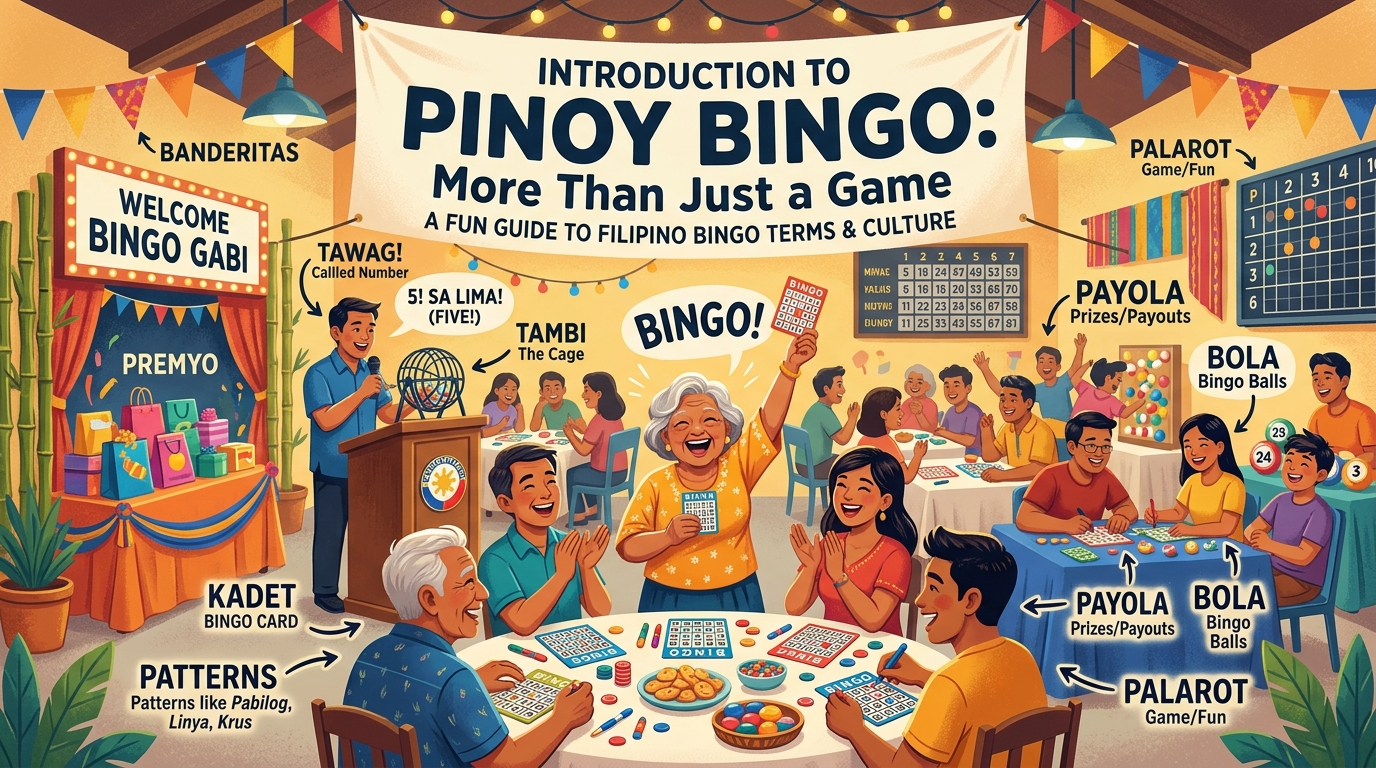
Welcome to our comprehensive guide about pinoy bingo terms.
Introduction to Pinoy Bingo: More Than Just a Game
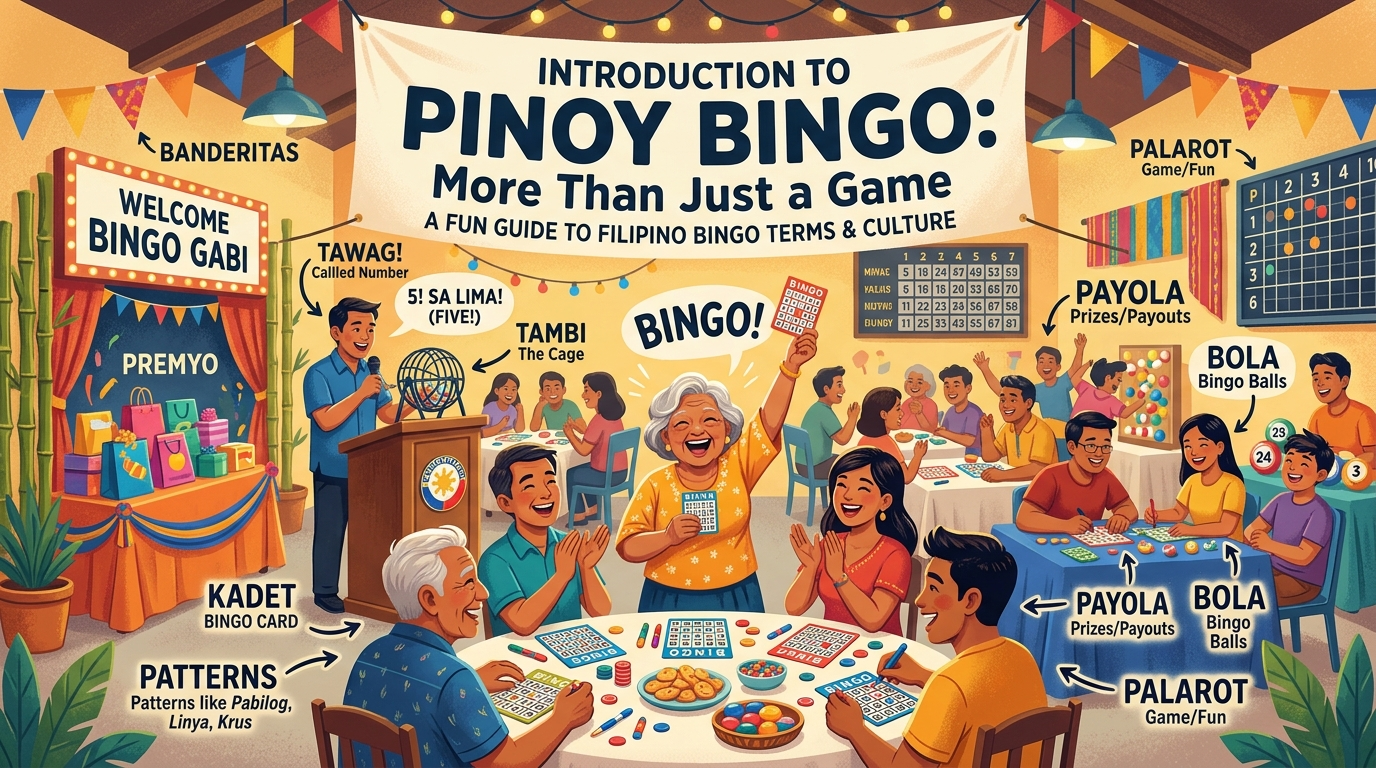
Bingo in the Philippines is far more than just a game of chance; it’s a vibrant cultural phenomenon, a cornerstone of social gatherings, and a unique expression of Filipino community spirit. Often played during fiestas, family reunions, and even daily neighborhood get-togethers, it transcends mere entertainment. Moreover, it fosters camaraderie, provides a platform for lighthearted competition, and frequently serves as a fundraiser for local causes. Consequently, understanding Pinoy Bingo means delving into the heart of Filipino social life.
The Heartbeat of Filipino Gatherings
This beloved pastime has evolved into a distinctive cultural event. It’s not uncommon, for instance, to see generations playing side-by-side, sharing laughter and friendly banter. The excitement builds with each number called, creating an atmosphere charged with anticipation. Furthermore, the game’s accessibility makes it a popular choice across all demographics, from young children to elderlies. Therefore, when we talk about Pinoy Bingo, we’re discussing a tradition deeply embedded in the Filipino psyche.
This guide aims to unlock the fascinating world of Pinoy Bingo terms. You’ll discover that Filipino bingo has its own colorful language, rich with colloquialisms and unique number calls. In addition, these specialized Pinoy Bingo terms reflect the humor and inventiveness of the Filipino people. For example, numbers aren’t just numbers; they often come with witty associations or cultural references. This comprehensive guide will equip you with the knowledge to navigate any Pinoy Bingo game with confidence and enjoyment. Moreover, it will provide insights into the cultural nuances that make this game so special. Get ready to experience bingo the Filipino way!
The Basics: Pinoy Bingo Caller’s Lingo and Number Calls
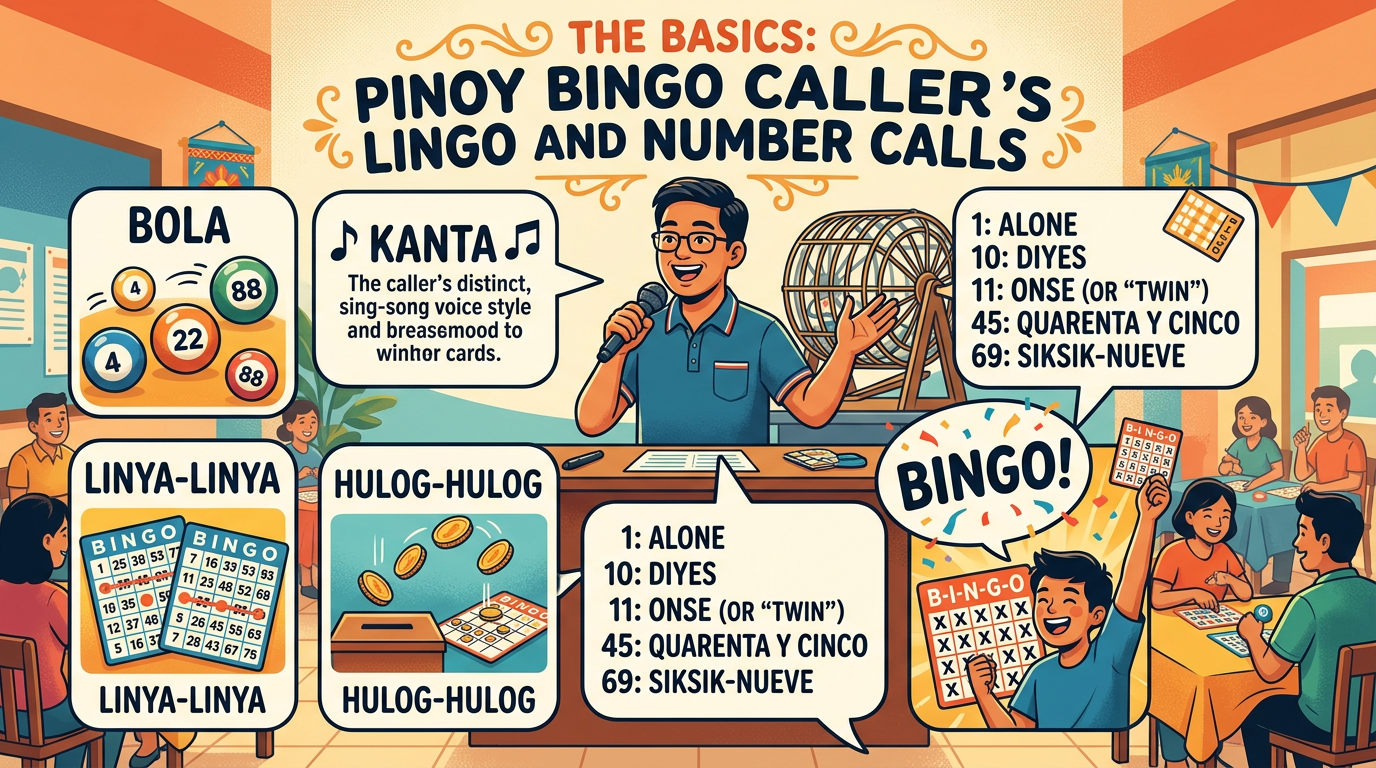
The heart of any bingo game lies with its caller. In Pinoy Bingo, this role is exceptionally vibrant. The tagatawag (caller) is not just announcing numbers. Instead, they are the game’s conductor, setting the pace and infusing it with local flavor. Their unique style and personalized calls are central to the Pinoy Bingo experience. Understanding their lingo is key to enjoying the game.
Common Numerical Calls and Their Traditional Names
Pinoy Bingo terms for numbers often blend Tagalog with Spanish. This reflects the Philippines’ rich linguistic history. For example, numbers are rarely called out plainly. Instead, they receive special, often catchy, names.
- Single-digit numbers:
- “Uno” (1): Simple and direct.
- “Dos” (2): Also straightforward.
- “Tres” (3): Often called “Tatlong Puso” (Three Hearts) for a touch of romance.
- “Kwatro” (4): Sometimes “Apat na Sulok” (Four Corners).
- “Singko” (5): A common call.
- Double-digit numbers:
- “Bente Uno” (21): A classic call.
- “Singkwenta Dos” (52): Another frequently used term.
- “Seventy-Seven” (77): Often referred to as “Doble Siete” or “Twin Towers.”
- “Sixty-Nine” (69): This number frequently gets a playful “Sexy Legs” or “Mama’s Delight” association. This adds a humorous element to the game.
These traditional names make the game more engaging. Consequently, players anticipate not just the number but also its unique moniker. This tradition is a vital part of Pinoy Bingo terms.
Creative and Humorous Numerical Associations
Beyond traditional names, callers often use creative associations. These inject humor and personality into the game. For instance, a caller might link numbers to everyday objects or cultural references.
- “Tatlong Puso” (Three Hearts) for 3: This evokes a feeling of affection.
- “Apat na Sulok” (Four Corners) for 4: It visually describes the number.
- “Sexy Legs” or “Mama’s Delight” for 69: This is a popular, cheeky call. It always draws smiles and laughter from the crowd.
- “Doble Siete” or “Twin Towers” for 77: These calls create memorable imagery.
Therefore, the caller’s role is crucial. Their ability to deliver these calls with flair enhances the experience. Moreover, these unique pinoy bingo terms foster a sense of community. Players share in the laughter and anticipation. A good caller can turn a simple game into a lively social event. They are truly masters of entertainment.
Beyond the Numbers: Unique Pinoy Bingo Phrases and Their Meanings
Pinoy bingo offers more than just number calls; it boasts a vibrant lexicon that adds to the game’s unique charm. Understanding these specific pinoy bingo terms enriches the player experience. Moreover, these phrases often reflect Filipino culture and humor.
Game-Specific Phrases and Their Significance
Certain terms are integral to the gameplay itself, signaling various stages or conditions. For instance, players often hear or use specific phrases to describe the winning pattern.
- “Cover All” (or “Blackout”): This signifies the most common winning pattern. In this scenario, a player must cover every single square on their bingo card. Consequently, it often leads to the largest prize. This phrase is universally understood in Pinoy bingo halls.
- “Bingo ‘Yan!”: This exclamatory phrase is the Filipino equivalent of shouting “Bingo!” It directly translates to “That’s Bingo!” Players use it to declare a win. Therefore, learning this phrase is crucial for any aspiring Pinoy bingo player.
- “Line”: This refers to a winning pattern where all numbers in a horizontal, vertical, or diagonal row are covered. While not exclusively Filipino, it’s a fundamental concept frequently called out.
Claiming a Win: Essential Pinoy Bingo Terms
Declaring a win in Pinoy bingo involves more than just shouting “Bingo ‘Yan!”. Players often use additional phrases to express their excitement or to confirm their win.
- “Ayos!”: This versatile Filipino word means “okay,” “good,” or “alright.” When shouted after a “Bingo ‘Yan!”, it conveys a sense of satisfaction and triumph. For example, a player might exclaim, “Bingo ‘Yan! Ayos!”
- “Pak!”: This is an informal, onomatopoeic word often used to express a sudden, successful action or a done deal. In the context of bingo, it signifies a decisive win. It’s akin to saying “Nailed it!” or “Got it!” Therefore, hearing “Pak!” often means someone has just secured a victory.
- “Check!”: While seemingly straightforward, “Check!” in Pinoy bingo is often used by the caller to acknowledge a potential winner and signal that the card is being verified. This term ensures clarity during the verification process.
Common Expressions from Players and Callers
The dynamic between players and callers also gives rise to unique expressions. These phrases contribute significantly to the lively atmosphere.
- “Sige pa!”: Meaning “Go on!” or “More!” This is a common encouragement from players to the bingo caller. They use it when they are close to winning and want more numbers to be called quickly. Moreover, it adds a sense of urgency and excitement to the game.
- “Wala pa!”: This phrase translates to “Not yet!” Players use it to respond to the caller’s query about a winner, indicating they haven’t won. Consequently, it maintains the game’s flow and prevents false alarms.
- “Last two!” / “Last one!”: These phrases are self-explanatory but are often shouted with heightened anticipation. Players use them to announce how many more numbers they need to complete their card. This significantly increases the tension in the room. Understanding these pinoy bingo terms will undoubtedly enhance your participation and enjoyment.
Cultural Nuances: Humor, Superstition, and Social Aspects
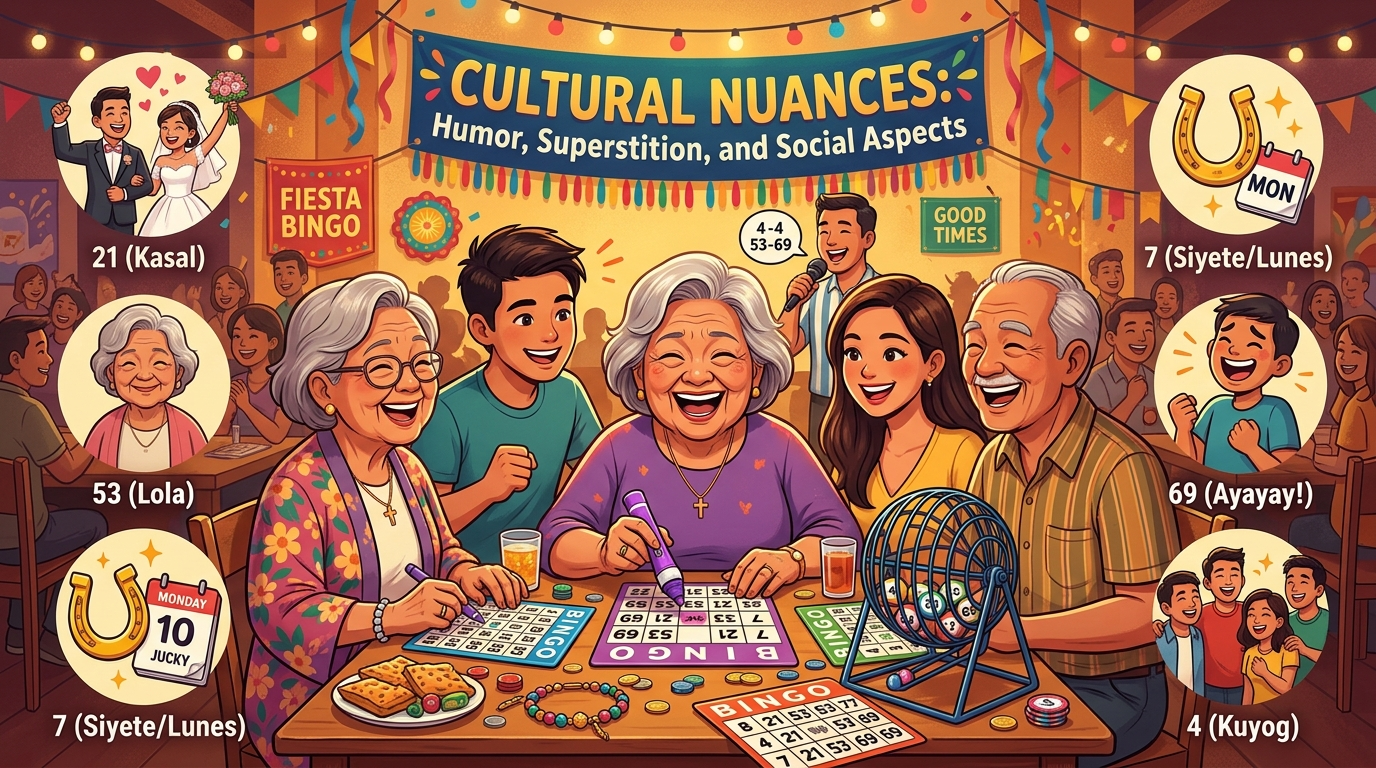
Pinoy Bingo is more than just a game of chance; it’s a vibrant cultural experience. Indeed, humor, superstition, and strong social connections intertwine to create its unique atmosphere. This section explores these fascinating cultural nuances.
Humor and Banter in Pinoy Bingo
Filipinos are known for their lively sense of humor. Consequently, bingo sessions often brim with laughter and playful banter. The bingo caller, for instance, frequently cracks jokes, teases players, or even sings a line or two. Players, in turn, respond with their own witty remarks. This creates a lighthearted and engaging environment. For example, a caller might announce “B-1, B-1, walang kasama!” (B-1, B-1, no companion!), prompting chuckles from the crowd. This interactive element makes the game highly entertaining. Moreover, it fosters a sense of camaraderie among participants.
Superstition and Rituals
Superstition plays a significant role in many aspects of Filipino culture, and bingo is no exception. Many players have personal rituals or beliefs they follow to attract good luck. Some might wear a specific “lucky” shirt or sit in a particular spot. Others might rub their bingo card, blow on it, or even talk to it. For instance, a player might whisper “Come on, 15!” to their card. These practices, while not scientifically proven, add a layer of personal engagement and excitement to the game. Furthermore, sharing these superstitions often sparks friendly discussions and shared anticipation.
Bingo as a Community Event
Pinoy Bingo is fundamentally a social gathering. It serves as a popular activity for family reunions, community events, and even fundraising efforts. People of all ages, therefore, come together to play. It’s a chance to catch up with neighbors, bond with relatives, and make new friends. The atmosphere is often boisterous, filled with animated conversations and shouts of “Bingo!” when someone wins. This communal aspect is perhaps the most defining characteristic of Pinoy Bingo. It strengthens social ties and provides a valuable platform for interaction. Consequently, many view it as a cherished tradition. Understanding these pinoy bingo terms enriches the experience.
While regional variations in bingo calls are less common compared to other cultural elements, the delivery of the calls can differ. For instance, some regions might have callers who use more local dialects or incorporate specific regional slang. However, the core number calls generally remain consistent across the Philippines. This ensures broad accessibility and understanding of the game.
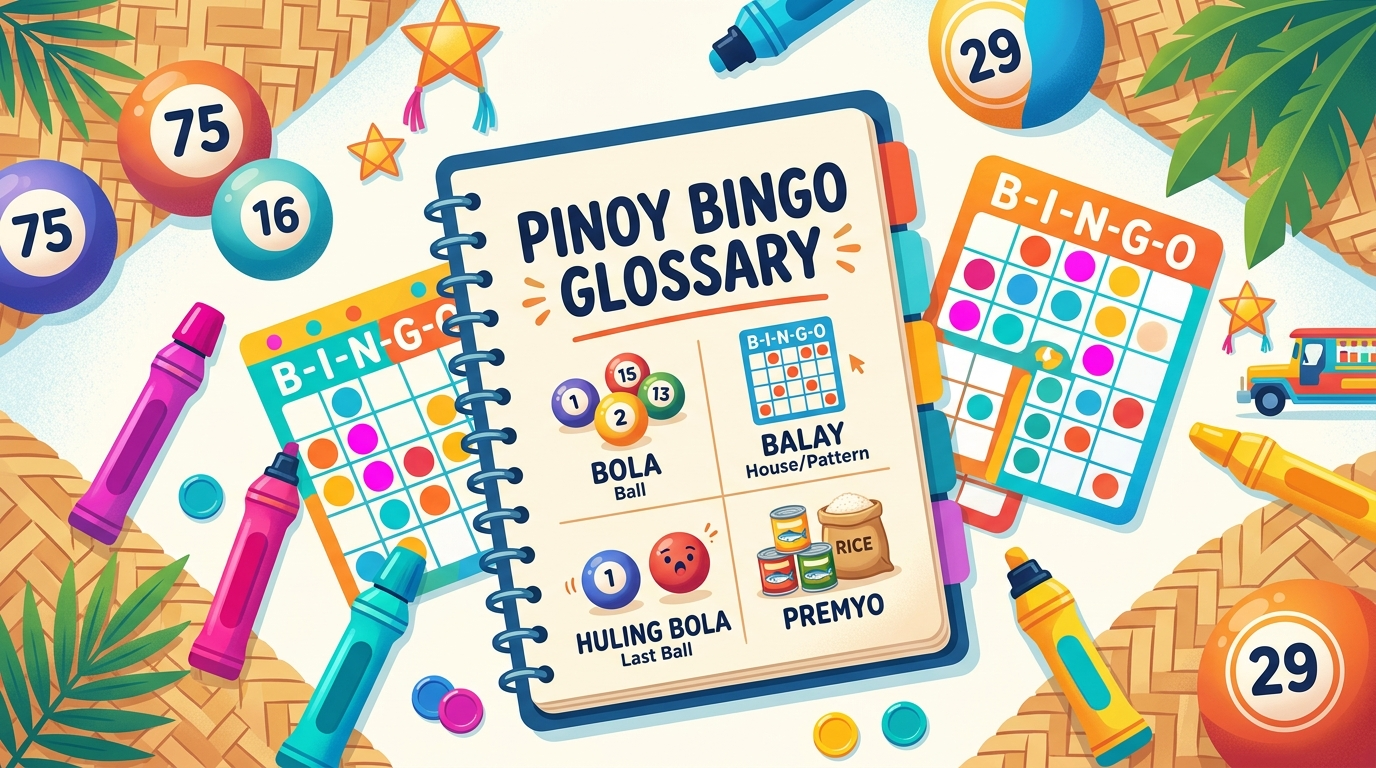
A Glossary of Essential Pinoy Bingo Terms
Here’s a glossary of essential pinoy bingo terms. These words will help you understand the game better.
- Bingo (or B-I-N-G-O): This is the ultimate goal. A player shouts “Bingo!” upon completing a winning pattern. For instance, if you have five numbers in a row, you yell “Bingo!”
- Caller: The person who announces the numbers. The caller also manages the game flow. Consequently, their clear pronunciation is vital for everyone.
- Card (or Bingo Card): A grid of numbers for each player. Players mark off numbers as they are called. Most cards feature a free space in the center.
- Dabber (or Marker): A tool used to mark called numbers on your card. Many players prefer a quick-drying dabber. This prevents smudging.
- “Free Space”: The center square on a bingo card. It is pre-marked and counts towards any winning pattern. Therefore, it’s a valuable spot.
- “Pusit” (Squid): This term describes a player who is about to win. They have only one number left to complete their pattern. You might hear, “May pusit na! (There’s a squid!)”
- “Kalahati” (Half): This refers to having exactly half of the required numbers for a bingo. For example, on a 5×5 card, if you need 5 numbers in a row, “kalahati” might mean you have 2 or 3.
Common Pinoy Bingo Phrases
- “Bomba” (Bomb): This is a humorous warning. It means a number is called that many players need. It often creates a sudden buzz.
- “Patay!” (Dead!): Players exclaim “Patay!” when a number they desperately need is called by another player for a bingo. This signifies a missed opportunity.
- “Tabo” (Dipper): This describes a player who consistently gets numbers. They seem to be “scooping up” all the good calls. “Ang daming tabo niya! (He’s getting so many numbers!)” is a common phrase.
- “Balato” (Share of Winnings): A tradition where the winner shares a small portion of their prize. This gesture promotes goodwill. It also encourages future luck.
- “Ayos!” (Okay!/Good!): Players say this when a favorable number is called for them. It expresses satisfaction.
- “Sayang!” (What a waste!/Too bad!): This is uttered when a number that would have helped is called too late. Perhaps another player already won.
Understanding these pinoy bingo terms will greatly enhance your playing experience. Moreover, you’ll feel more connected to the local culture. Pay attention to these phrases during your next game!
How to Play Pinoy Bingo: A Quick Guide for Beginners
Playing Pinoy Bingo is a fun and engaging social activity. This quick guide will help beginners understand the basics. You’ll be ready to join in the excitement in no time.
Getting Started: Your Bingo Card and Dauber
First, you need a bingo card. These cards typically have a 5×5 grid. Each square contains a number, except for the center square, which is usually a “FREE” space. The columns are often labeled B, I, N, G, O. The numbers under ‘B’ range from 1-15, ‘I’ from 16-30, ‘N’ from 31-45 (with the free space), ‘G’ from 46-60, and ‘O’ from 61-75.
Next, you’ll need a dauber. This is a special marker used to mark the numbers called out. It makes a distinct, easy-to-see mark on your card. Many players prefer a specific color. Therefore, choosing a bright dauber can help you spot your marked numbers quickly.
When you receive your card, take a moment to scan the numbers. Familiarize yourself with their placement. This simple step can save you time later on.
Understanding Bingo Patterns
Before the game starts, the bingo caller announces the winning pattern. This is crucial for knowing how to play. Common patterns include:
- Any Line: A straight line of five marked numbers. This can be horizontal, vertical, or diagonal.
- Four Corners: Marking the number in each of the four corner squares.
- Blackout/Coverall: Marking every single number on your card. This is often the pattern for the biggest prize.
- Letter Patterns: Sometimes, the pattern forms a letter, like “X” or “T.”
The caller will repeat the pattern clearly. If you’re unsure, do not hesitate to ask for clarification. Understanding the pattern is key to winning.
How to Play and What to Do When You Win
The game begins when the caller starts drawing numbers. They will announce each number, for example, “B-7” or “G-53.” Listen carefully for these calls. As each number is called, check your card. If you have that number, mark it with your dauber.
Continue marking numbers as they are called. The goal is to be the first to complete the announced pattern. For example, if the pattern is “Any Line” and you mark five numbers in a row, you have bingo!
When you achieve the winning pattern, immediately shout “BINGO!” loudly. This alerts the caller and other players. A game official will then verify your card. They will check if all your marked numbers match the called numbers. If everything is correct, congratulations, you win! If there’s an error, the game continues. Therefore, always double-check your card before shouting. These pinoy bingo terms are essential for a smooth game. Remember to pay attention and have fun!
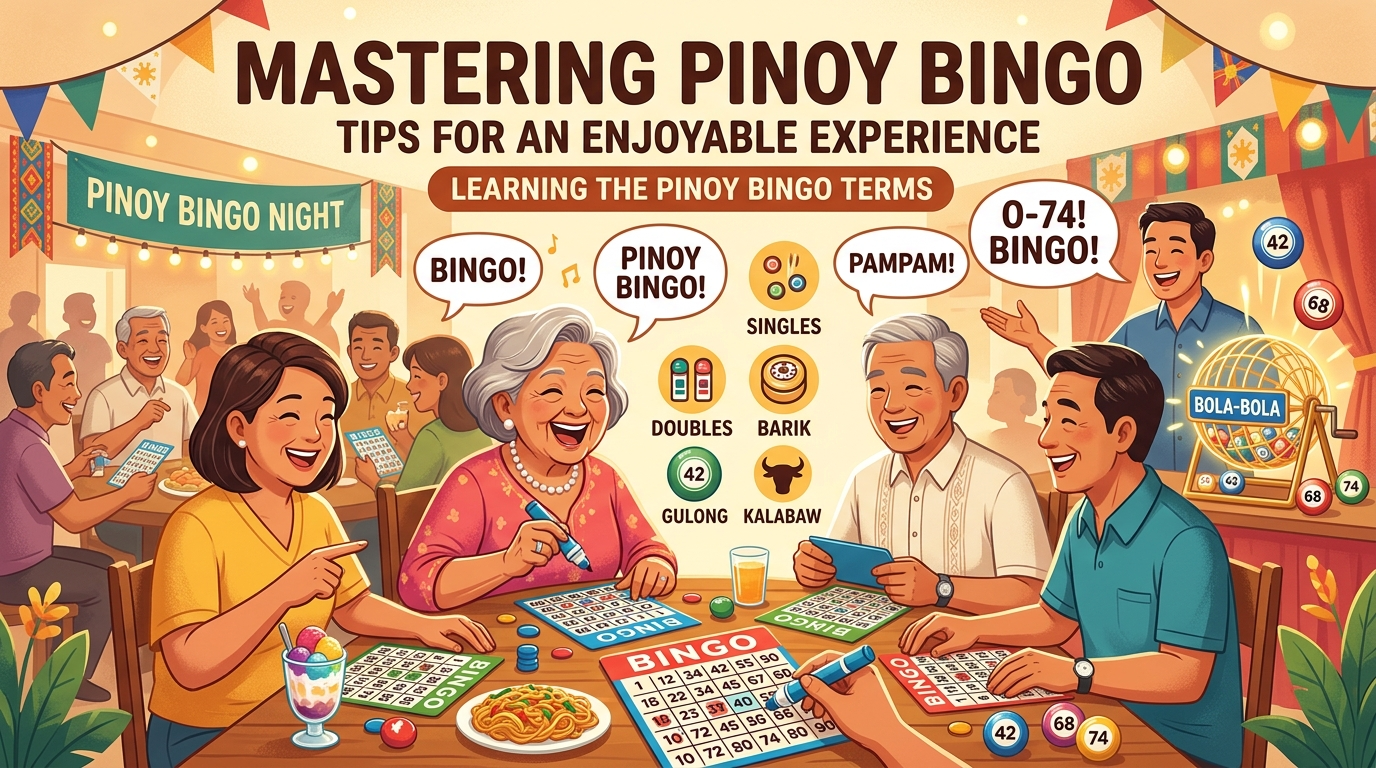
Mastering Pinoy Bingo: Tips for an Enjoyable Experience
To truly master Pinoy Bingo and enhance your enjoyment, it’s about more than just marking numbers. It involves active participation and embracing the distinct cultural flavor. Therefore, consider these practical tips for an unforgettable experience.
Engaging with the Game and Community
1. Sharpen Your Listening Skills: The Pinoy bingo caller’s lingo can be fast-paced and full of local slang. Consequently, paying close attention is crucial. Don’t just listen for the numbers; also try to catch the humorous remarks or local anecdotes often woven into the calls. For instance, a caller might shout “Doble-tres, 33, dalawang tres!” followed by a witty comment about someone’s age. This makes the game more engaging and helps you understand the unique pinoy bingo terms.
2. Interact with Fellow Players: Pinoy Bingo is inherently a social activity. As a result, engaging with others significantly boosts the fun. Chat with your tablemates, share a laugh, or even playfully tease each other. Many players form friendly rivalries, adding another layer of excitement. For example, you might hear a player exclaim, “Uy, swerte mo naman!” (Oh, you’re lucky!) when someone gets a number they need. This camaraderie is a cornerstone of the Pinoy bingo experience.
3. Embrace the Lively Atmosphere: The energy in a Pinoy Bingo hall is often infectious. There will be cheers, groans, and plenty of banter. Instead of just focusing on your card, immerse yourself in this vibrant environment. Enjoy the music, the chatter, and even the occasional superstitious rituals. For instance, some players might tap their cards or blow on them for good luck. This acceptance of the unique cultural elements is key to a truly enjoyable session.
Maximizing Your Pinoy Bingo Experience
4. Understand the Local Dialect (If Applicable): While not strictly necessary, having a basic grasp of common Tagalog or local dialect phrases can greatly enhance your understanding and enjoyment. Many Pinoy bingo terms are deeply rooted in local language and humor. For example, knowing that “manok” means “chicken” can make a caller’s joke about a lucky player being a “manok” (a term also used for a favored contestant) much funnier.
5. Practice Responsible Gaming: Always remember that bingo is a game of chance. Set a budget before you start playing and stick to it. Enjoy the thrill of the game without letting it overshadow responsible financial choices. Ultimately, the goal is to have fun, not to win big at all costs.
By following these tips, you’ll not only navigate the game more effectively but also fully appreciate the rich cultural tapestry that makes Pinoy Bingo such a beloved pastime.
Conclusion: Celebrating the Unique Charm of Pinoy Bingo
The journey through the vibrant world of Pinoy Bingo terms reveals much more than just a game; it unveils a significant part of Filipino culture. We’ve explored the unique calls, the humorous phrases, and the underlying superstitions that make each round an unforgettable experience. This comprehensive guide, therefore, aims to celebrate the richness and depth embedded within this popular pastime.
Pinoy Bingo, with its distinctive lingo, fosters a sense of community and shared heritage. The calls like “Dalagita” for 17 or “Manok” for 22 are not merely numbers; they are cultural touchstones. Understanding these Pinoy Bingo terms allows for deeper engagement and appreciation. Moreover, the game offers a unique blend of excitement and social interaction, making it a beloved activity across generations.
Embracing the Pinoy Bingo Experience
We’ve delved into the basics, from the caller’s lingo to the specific number calls that ignite anticipation. Beyond the numbers, phrases like “Puro Puso” (all hearts) or “Ayaw ko na!” (I don’t want anymore!) add layers of humor and expressiveness. These elements collectively contribute to the game’s unique charm. Consequently, playing Pinoy Bingo becomes an immersive cultural experience, rather than just a simple game of chance.
We also touched upon the cultural nuances, including the humor and superstitions that often accompany the game. For example, some players might have a “lucky” bingo dauber or a specific seating preference. These traditions, therefore, enrich the overall atmosphere. Engaging with these aspects allows players to truly connect with the spirit of Pinoy Bingo.
In conclusion, Pinoy Bingo is a testament to Filipino ingenuity and love for community. It’s a game where every call, every phrase, and every cheer tells a story. We encourage everyone to experience this unique cultural phenomenon firsthand. Dive into the excitement, embrace the camaraderie, and discover the joy of Pinoy Bingo. To begin your own Pinoy Bingo adventure, Get started.
Thank you for reading our guide about pinoy bingo terms.
Frequently Asked Questions
What makes Pinoy Bingo different from other bingo games?
Pinoy Bingo is unique because it’s deeply embedded in Filipino culture and social life, extending beyond a simple game of chance. It’s a vibrant cultural phenomenon, often played during fiestas and family gatherings, fostering camaraderie and even serving as a fundraiser. A key differentiator is its colorful language, which includes unique “Pinoy Bingo terms,” colloquialisms, and number calls with witty associations or cultural references, reflecting the humor and inventiveness of the Filipino people.
Who is the “tagatawag” in Pinoy Bingo and what is their role?
The “tagatawag” is the caller in Pinoy Bingo. Their role is exceptionally vibrant and goes beyond just announcing numbers. They are considered the game’s conductor, setting the pace and infusing it with local flavor. Their unique style and personalized calls, which often involve creative and humorous numerical associations, are central to the Pinoy Bingo experience, making them an integral part of the game’s cultural charm.
Can you give examples of traditional names for numbers in Pinoy Bingo?
Certainly! Pinoy Bingo terms for numbers often blend Tagalog with Spanish, reflecting the Philippines’ rich linguistic history. For single-digit numbers, you might hear “Uno” (1), “Dos” (2), “Tres” (3) which is often called “Tatlong Puso” (Three Hearts), “Kwatro” (4) sometimes “Apat na Sulok” (Four Corners), and “Singko” (5). For double-digit numbers, examples include “Bente Uno” (21), “Singkwenta Dos” (52), “Seventy-Seven” (77) often referred to as “Doble Siete” or “Twin Towers,” and “Sixty-Nine” (69) which frequently gets playful associations like “Sexy Legs” or “Mama’s Delight.”
What is the significance of the unique “Pinoy Bingo terms” for numbers?
The unique “Pinoy Bingo terms” for numbers are highly significant as they make the game more engaging and culturally rich. Instead of plain numbers, players anticipate the number’s unique moniker, which often carries witty associations, cultural references, or humorous elements. These specialized terms reflect the Filipino people’s humor and inventiveness, transforming a simple game into a lively social event. Understanding these terms is key to fully enjoying and participating in a Pinoy Bingo game.
Leave a Reply