Welcome to our comprehensive guide about pinoy bingo terms.
Introduction: The Cultural Phenomenon of Pinoy Bingo
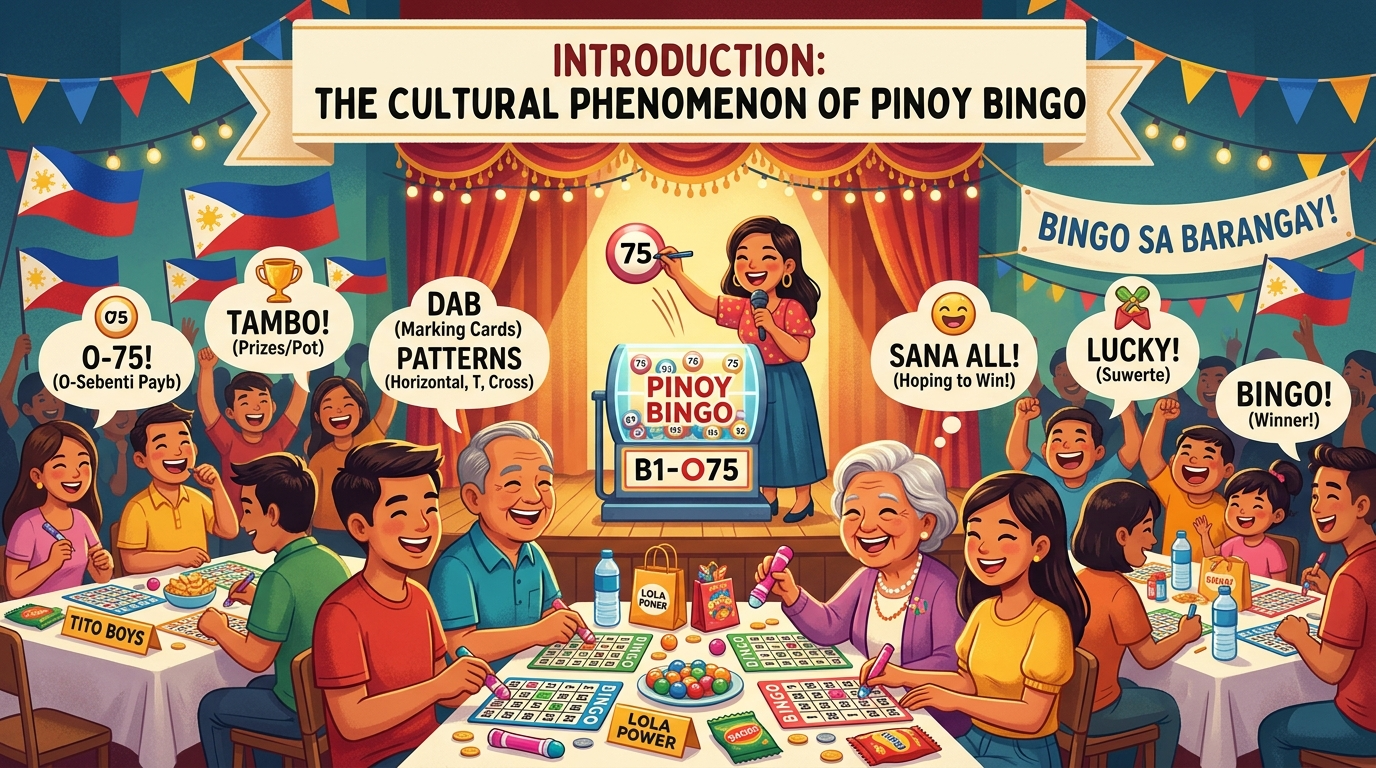
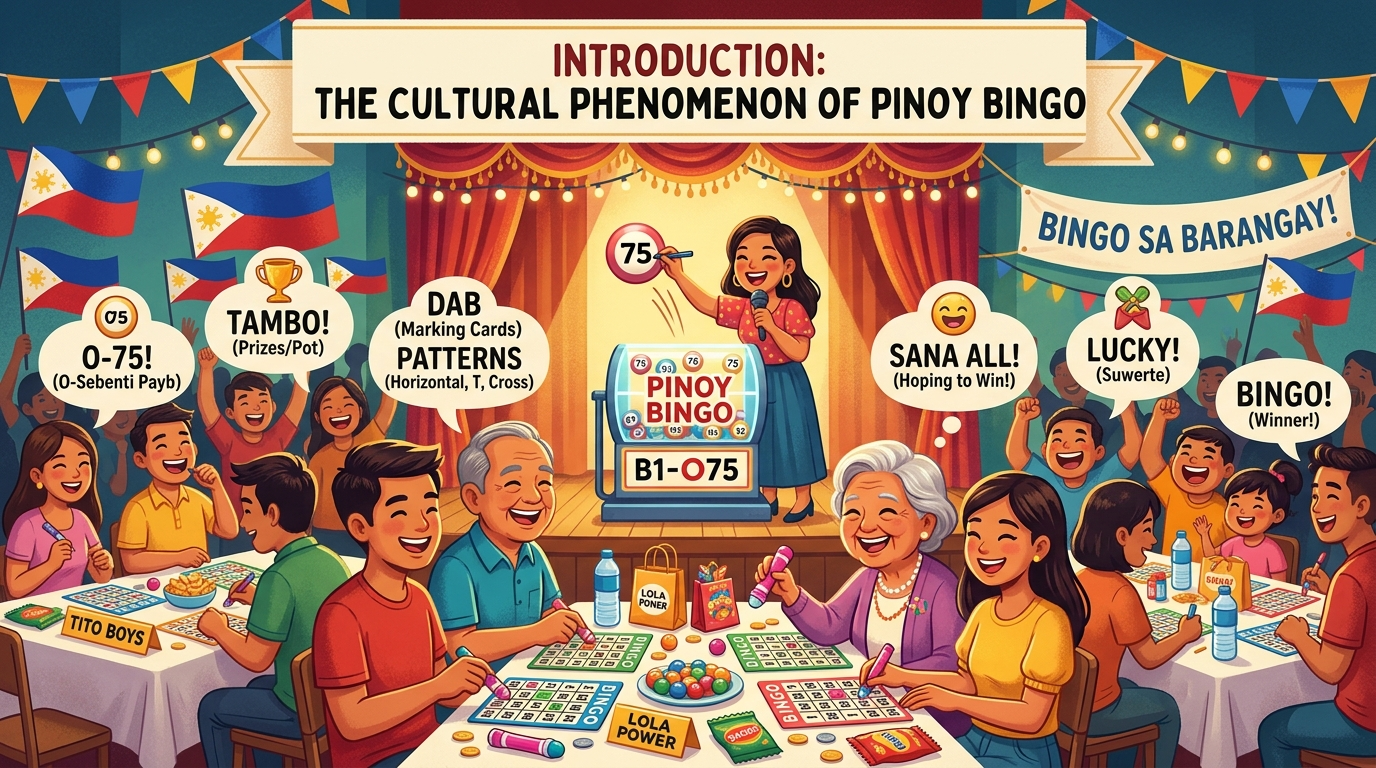
Bingo in the Philippines is more than just a game of chance. It’s a vibrant cultural phenomenon. Known affectionately as “Pinoy Bingo,” it deeply intertwines with Filipino community life. This game fosters connection and excitement. Therefore, understanding its unique language is crucial. This guide will explore essential Pinoy Bingo terms.
The Heartbeat of Filipino Gatherings
Pinoy Bingo thrives in various settings. You’ll find it at family reunions, town fiestas, and even fundraising events. Moreover, it’s a staple during holidays. The collective anticipation as numbers are called creates an electrifying atmosphere. For example, a single game can unite generations. Grandparents, parents, and children often play side-by-side. This shared experience strengthens family bonds. Consequently, it becomes a memorable part of Filipino culture.
A Brief History of Bingo’s Journey to the Philippines
Bingo’s roots in the Philippines are rich and diverse. It likely arrived through Spanish or American influences. Over time, it adapted to local customs. Early versions might have used simple paper cards. Now, modern technology often enhances the game. However, the core spirit remains unchanged. It’s still about luck, community, and friendly competition. Knowing Pinoy Bingo terms enhances this historical connection. It helps players appreciate the game’s evolution.
Why Pinoy Bingo Terms Matter
Learning Pinoy Bingo slang offers numerous benefits. Firstly, it allows you to participate fully. You won’t miss out on inside jokes or calls. Secondly, it deepens your cultural immersion. These terms reflect Filipino humor and wit. For instance, knowing a specific call can elicit smiles and nods of recognition. Furthermore, it shows respect for local traditions. Consequently, you’ll feel more integrated into the community. This guide serves as your ultimate resource. It will help you navigate the lively world of Pinoy Bingo.
Essential Pinoy Bingo Terms for Beginners
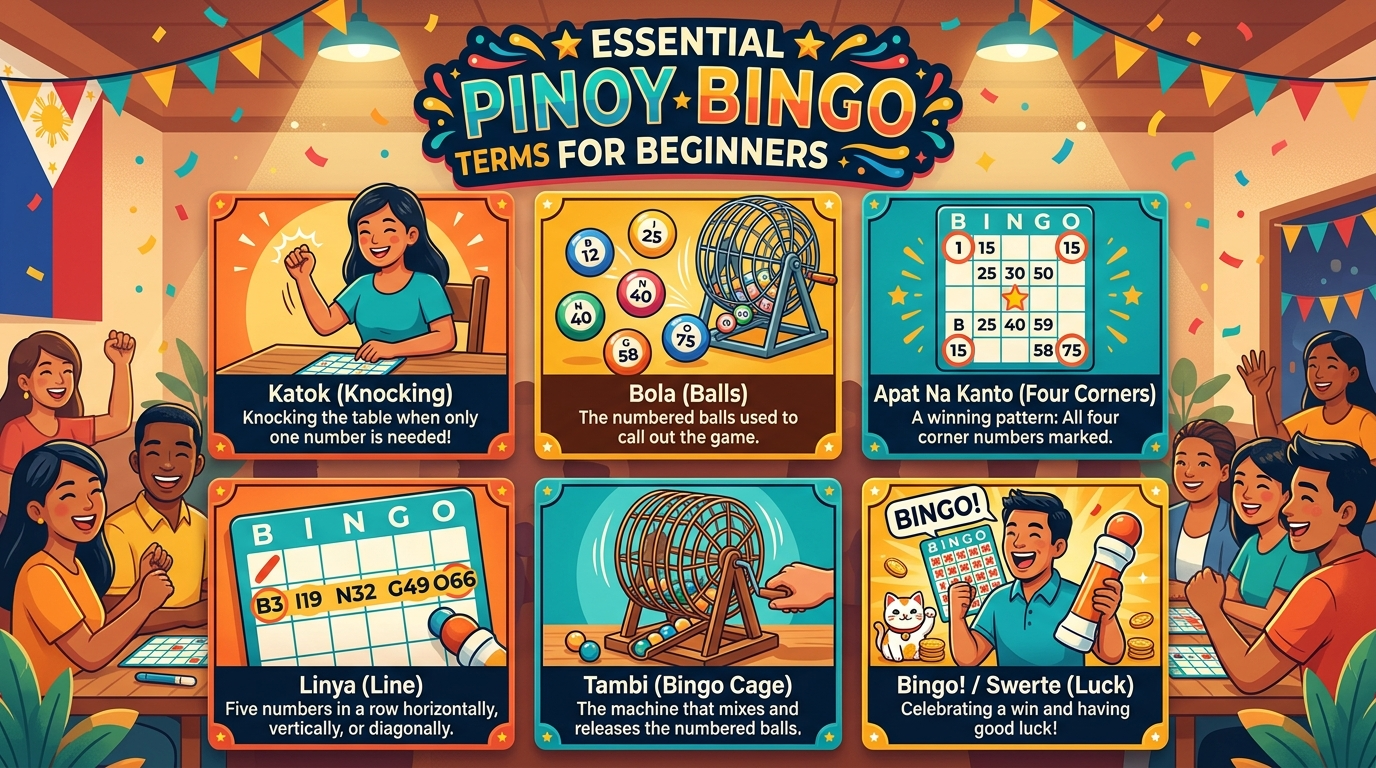
Pinoy bingo is a vibrant game, and understanding its unique lingo is crucial for beginners. This section will introduce you to the essential Pinoy bingo terms you’ll encounter at your first game.
Calling the Numbers: Key Phrases
When the caller announces numbers, they often use specific phrases. Knowing these will help you keep up with the fast-paced game.
- “B-1, B-1!” or “I-25, I-25!”: This is the standard way numbers are called. The letter indicates the column (B, I, N, G, O), and the number follows. For instance, “B-1” means the number 1 in the ‘B’ column.
- “Bola!” (Ball!): This exclamation often accompanies the number call, signifying that the ball has been drawn and the number is about to be announced. Consequently, players pay closer attention.
- “Walang labas!” (Nothing out!): If a number is called and no one has it, the caller might say this, confirming that the number is not on anyone’s card for a particular pattern.
Understanding Bingo Patterns
Bingo isn’t just about covering every square. Different patterns lead to a win.
- “Jackpot!”: This term typically refers to the main prize or a significant winning pattern, often a ‘Cover All’. It creates much excitement among players.
- “Cover All” or “Blackout”: This means you need to cover every single square on your card to win. It is one of the most challenging and rewarding patterns.
- “Line”: A straight line of five covered squares, either horizontally, vertically, or diagonally. This is the most common winning pattern.
- “Four Corners”: Covering the four corner squares of your bingo card. This is a simple yet popular pattern.
- “X Pattern”: Covering all squares that form an ‘X’ across your card. Moreover, this pattern adds a fun twist to the game.
Your Bingo Card: Tools and Roles
Navigating your bingo card effectively requires knowing these simple terms.
- “Taga-marka” (Marker): This is the pen or dauber you use to mark off numbers on your card. Choosing a good marker is important for clear marking.
- “Card Holder”: This refers to the actual bingo card itself. Players usually have multiple cards, therefore they need to manage them efficiently.
- “Free Space”: The center square on a standard 5×5 bingo card, which is automatically considered marked. This space significantly aids in completing patterns.
Popular Bingo Expressions
These expressions add to the social fabric of Pinoy bingo.
- “Bingo!”: The universal cry when a player completes a winning pattern. It’s the ultimate goal of every round.
- “Check!”: After calling “Bingo!”, the player hands their card to an official for verification. They might say “Check!” to indicate this.
- “Waley!” (None/Nothing!): A common response when a called number isn’t on your card, or when someone asks if you have a certain number. This term is used casually among players.
- “Last two!”: When a player needs only two more numbers to complete a pattern, they might exclaim this. It builds anticipation.
By familiarizing yourself with these essential Pinoy bingo terms, you will feel more confident and engaged in your first Filipino bingo game. Understanding these phrases will undoubtedly enhance your overall experience.
Beyond the Basics: Advanced Pinoy Bingo Slang and Phrases
Delving deeper into the vibrant world of Pinoy Bingo reveals a treasure trove of more sophisticated slang and phrases. These terms often reflect strategic plays, player dynamics, and the unique cultural nuances that elevate the game beyond simple number calling. Understanding these advanced pinoy bingo terms can significantly enhance your experience and even your chances of winning.
Strategic Plays and Player Dynamics
Beyond the basic calls, there are specific phrases players use to influence the game or express their intentions. For instance, knowing these can give you an edge.
- “Pusta” (Bet): This term refers to placing a wager on a particular game or side bet. It’s a fundamental concept in many forms of gambling, and in Pinoy Bingo, it signifies a player’s financial commitment. For example, a player might say, “Magkano ang pusta sa next round?” (How much is the bet for the next round?).
- “Doble Pusta” (Double Bet): As the name suggests, this is when a player doubles their initial wager, often in hopes of a bigger payout or to increase their chances during a crucial round. Consequently, this move carries higher risk but also higher potential reward.
- “Withdraw” (Withdraw): While seemingly straightforward, in a bingo context, “withdraw” can refer to a player opting out of a particular side bet or even a game, usually to cut losses or re-evaluate their strategy. Moreover, it’s a strategic decision rather than just a financial transaction.
Understanding Player Lingo
The community aspect of Pinoy Bingo fosters specific terms used to describe players and their luck. Therefore, these phrases are integral to the social fabric of the game.
- “Bingo King/Queen”: This title is bestowed upon a player who consistently wins, often implying skill or an extraordinary run of luck. For example, if someone has multiple bingos in a session, they might be hailed as the “Bingo Queen.”
- “Swerte” (Lucky): This is a common exclamation or description for someone experiencing good fortune, especially when their numbers are called frequently. A player might exclaim, “Ang swerte mo naman!” (You are so lucky!).
- “Malas” (Unlucky): Conversely, “malas” describes a player enduring a streak of bad luck, with their numbers seemingly avoiding the caller’s draw. It’s often said with a sigh or a commiserating tone.
Humorous and Regional Expressions
Pinoy Bingo is also rich with humorous and regional terms that add flavor and personality to the game. These pinoy bingo terms are often rooted in local culture.
- “Bote” (Bottle): This term is sometimes used humorously for the number 1, as it visually resembles a bottle. It’s a lighthearted way to refer to the number.
- “Manok” (Chicken): In some regions, “manok” can refer to a player’s chosen lucky card or a favored set of numbers. It’s similar to a “favorite” or a “go-to.”
- “Kabayo” (Horse): This term might be used to describe a fast-paced game or a quick succession of calls, akin to a horse race. Consequently, it indicates an exciting and rapid round.
Winnings and Prizes: Beyond the Jackpot
While “jackpot” is universally understood, Pinoy Bingo has specific terms for other forms of winnings. These add a layer of excitement to the game.
- “Jackpot”: The ultimate prize in a bingo game, usually a large sum awarded for completing the winning pattern first.
- “Consolation”: This refers to a smaller prize awarded to players who achieve a certain pattern but not the main jackpot, or to the second or third winners. It’s a way to acknowledge near-misses.
- “Pakimkim”: This is a unique Filipino term referring to a small monetary gift or handout, often given by the winner to the caller or other participants as a gesture of goodwill or gratitude. It fosters a sense of community and shared joy. It’s a tradition that exemplifies the communal spirit of Pinoy Bingo.
The Social Side of Pinoy Bingo: Community and Interaction
Pinoy Bingo transcends a mere game of chance; it’s a vibrant social tapestry woven with laughter, friendly competition, and shared experiences. Moreover, it serves as a powerful catalyst for community bonding, particularly in local neighborhoods and family gatherings. Participants often arrive early, eager to catch up with friends and neighbors before the numbers even begin to be called. This pre-game chatter is a crucial part of the overall experience.
The Heartbeat of the Game: Banter and the Caller
The atmosphere during a Pinoy Bingo session is rarely silent. In fact, it’s often filled with good-natured banter and playful teasing. For instance, players might jokingly chide the caller for not announcing their “lucky number,” or celebrate loudly when a difficult number finally appears. This lighthearted interaction fosters a sense of camaraderie among players, even those who are complete strangers at the start of the evening. Furthermore, these shared moments of humor and anticipation create lasting memories.
The Bingo Caller, or Taga-tawag, holds a pivotal role beyond simply announcing numbers. They are often the charismatic center of attention, dictating the pace and mood of the game. A good Taga-tawag uses engaging patter, tells jokes, and interacts directly with the players, making everyone feel involved. Consequently, their personality significantly contributes to the overall enjoyment and social dynamic of the event. They might even have their own signature calls for certain numbers, adding a unique flavor to the game.
Unwritten Rules and Community Etiquette
Participation in Pinoy Bingo also involves an understanding of its unwritten rules and etiquette, which are essential for maintaining a harmonious environment.
- Respectful Silence (Mostly): While banter is encouraged, a moment of respectful quiet often falls over the crowd when a number is being called, ensuring everyone can hear clearly.
- The “Bingo!” Call: A clear and immediate “Bingo!” is expected when a player wins. Hesitation might lead to a shared prize if another player calls it quickly afterward.
- Sharing the Joy: Winners are often met with applause and congratulations, not envy. This communal celebration reinforces the positive social aspect of the game.
These unspoken guidelines help to regulate the flow of the game and ensure that everyone has a fair and enjoyable experience. Therefore, understanding these nuances is key to fully immersing oneself in the social fabric of Pinoy Bingo. Many of these social cues are implicitly learned by observing experienced players.
Moreover, these gatherings often extend beyond the game itself, with food sharing and storytelling being common occurrences. For example, after a competitive round, it’s not unusual for participants to share home-cooked dishes or recount funny stories from past games. This communal aspect is deeply ingrained in Filipino culture, and Pinoy Bingo terms and the game itself perfectly embody this spirit. It’s more than just winning; it’s about the collective experience.
Pinoy Bingo Online: Modern Terms and Digital Adaptations
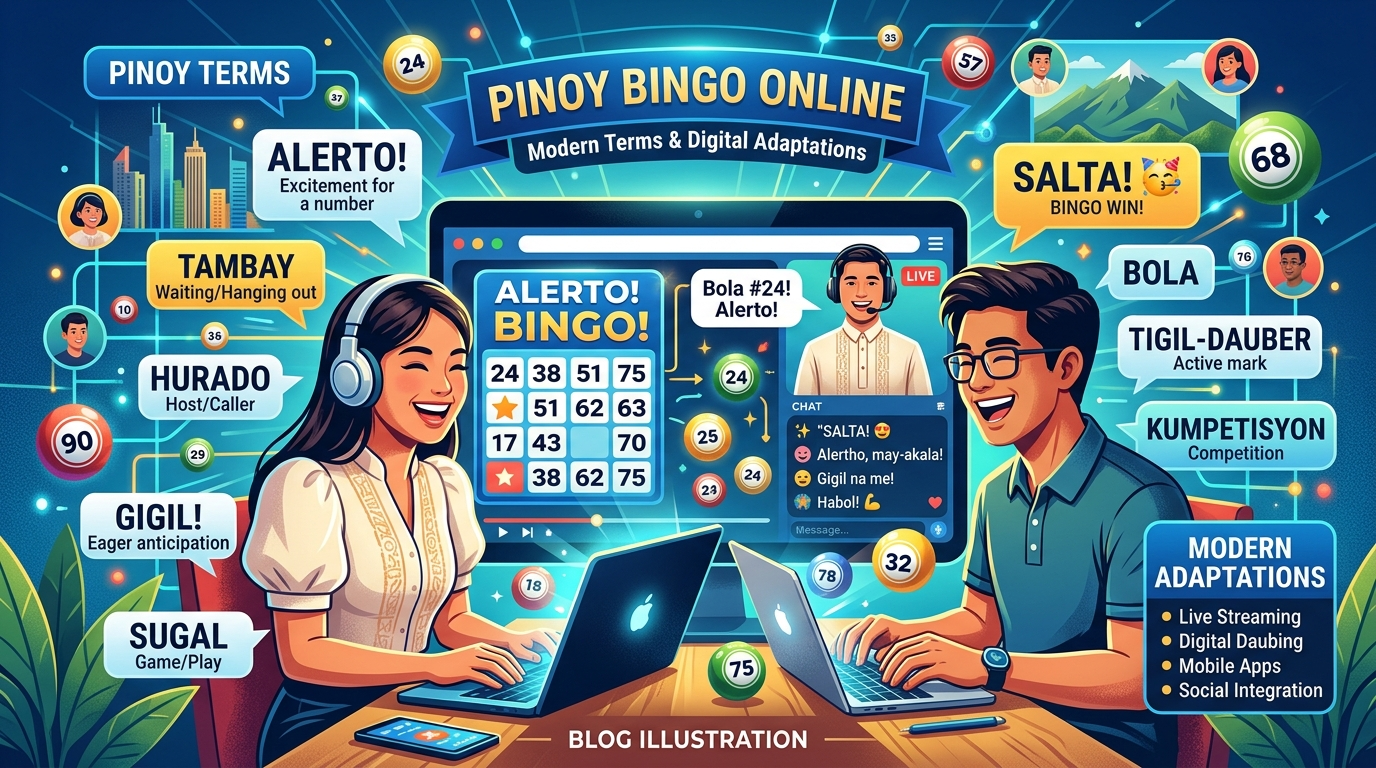
The digital age has transformed many traditional pastimes, and Pinoy Bingo is no exception. Online platforms have introduced new ways to play, consequently bringing with them a fresh lexicon of “pinoy bingo terms” and adaptations. This section explores how the beloved game has evolved in the virtual realm.
The Rise of Online Pinoy Bingo Platforms
Numerous online bingo sites and mobile applications now cater specifically to Filipino players. These platforms often feature themes and designs that resonate with local culture. For instance, some might incorporate elements of Philippine festivals or iconic landmarks. Players can enjoy the game from the comfort of their homes, therefore increasing accessibility significantly. This convenience is a major draw for many enthusiasts.
Digital Bingo Terms and Features
Online Pinoy Bingo introduces several unique functionalities and associated terms:
- Auto-Daub: This is perhaps the most significant digital adaptation. Instead of manually marking numbers, the “auto-daub” feature automatically highlights called numbers on your virtual cards. This allows players to manage multiple cards simultaneously without missing a number. For example, a player might manage 10 cards at once with ease.
- Chat Features: Most online platforms include a live chat functionality. Players can interact with each other and even the virtual caller. This replicates the social aspect of traditional bingo, fostering community among online participants. Consequently, players can share their excitement or commiserate over near misses.
- Virtual Caller: Unlike a live human caller, online games utilize an automated system or a pre-recorded voice. This ensures consistency and often a faster pace of play. Moreover, the virtual caller’s voice can sometimes be customized.
- Multi-Card Play: As mentioned, online bingo makes it simple to play with numerous cards at once. This significantly increases a player’s chances of winning. However, it also demands more attention, even with auto-daub.
- Instant Wins/Side Games: Many online platforms integrate mini-games or instant win features alongside the main bingo game. These offer additional entertainment and chances to win prizes. For example, a quick scratch-card game might pop up between rounds.
Traditional vs. Online Pinoy Bingo: A Comparative Look
While the core mechanics remain the same, the online experience differs notably from traditional play. Traditional bingo thrives on face-to-face interaction and the tangible experience of marking cards. Conversely, online bingo offers unparalleled convenience and speed. Security and fair play are paramount concerns in the online environment. Reputable platforms utilize Random Number Generators (RNGs) to ensure unbiased outcomes. Therefore, players can trust the integrity of the game. Furthermore, online platforms often provide various payment options, including local e-wallets, making transactions seamless for Filipino users. When choosing an online platform, always check for licensing and positive user reviews. This ensures a safe and enjoyable gaming experience.
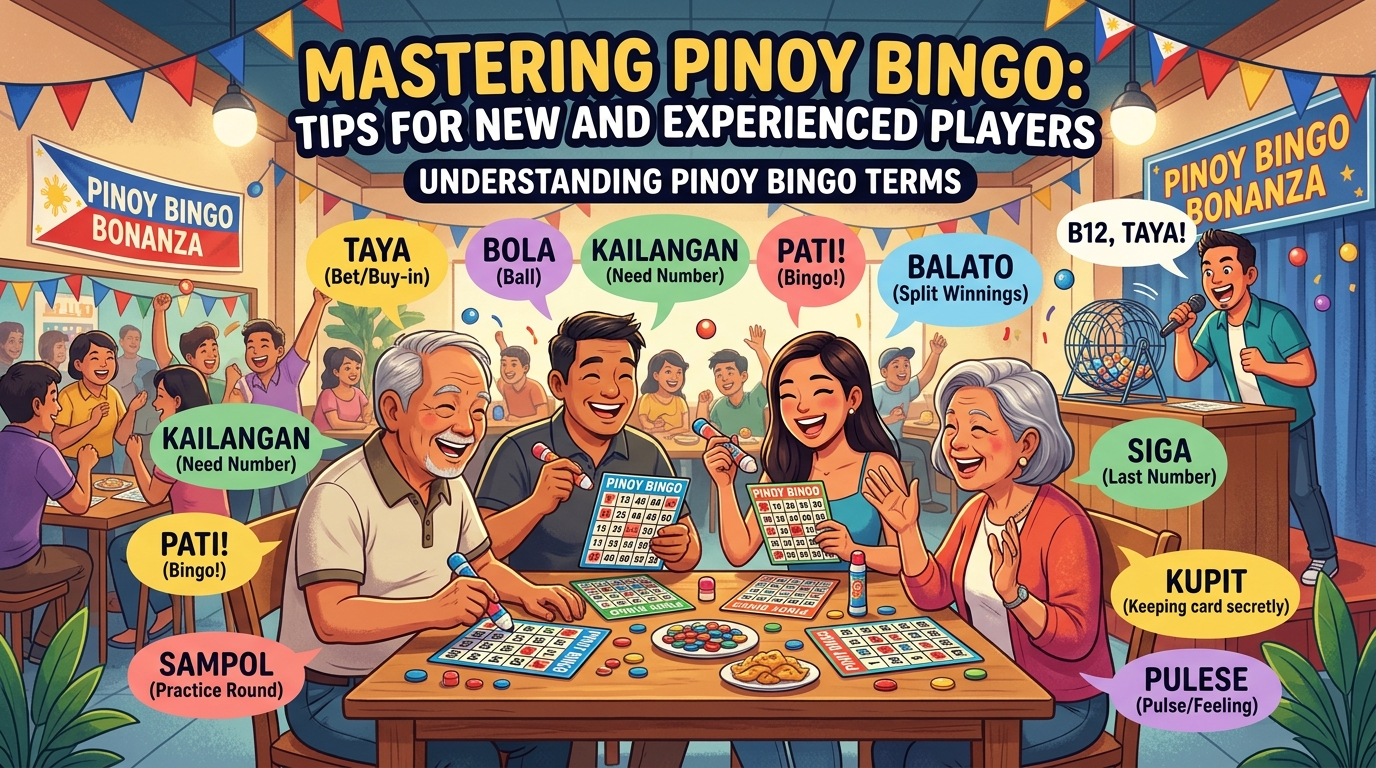
Mastering Pinoy Bingo: Tips for New and Experienced Players
Sharpening Your Pinoy Bingo Skills
Mastering Pinoy Bingo involves more than just knowing the calls. It requires strategic thinking and an appreciation for the game’s unique rhythm. For beginners, the first step is immersion. Listen attentively to the callers. Many pinoy bingo terms are repeated, therefore, quick recognition improves over time. Try to associate the sound with the number. This auditory learning is crucial for speed. Furthermore, practice makes perfect. Don’t be afraid to make mistakes.
For experienced players, the focus shifts to optimizing play. Consider playing multiple cards. This increases your chances of winning. However, it also demands faster reactions. Develop a system for marking your cards efficiently. Some players prefer specific daubers. Others use distinct marking patterns. Moreover, understanding the game’s flow is key. Recognize when the game is nearing its end. This can influence your strategy.
Enhancing Your Pinoy Bingo Experience
Improving your chances in Pinoy Bingo involves a blend of myth and reality. Realistically, each game is independent. There’s no “hot” or “cold” card. Therefore, focus on your gameplay, not superstitions. The true advantage lies in vigilance. Pay close attention to every call. Missing a number can cost you a win. In addition, stay calm under pressure. The excitement can be overwhelming. However, maintaining composure helps you focus.
Where to play Pinoy Bingo also impacts your experience. Offline, local community centers are popular. Many fiestas and gatherings feature bingo. These provide a vibrant social atmosphere. Online, numerous platforms offer digital versions. These allow for convenient play from home. Consequently, you can practice your knowledge of pinoy bingo terms anytime. Both venues offer unique benefits. Choose the one that suits your preference.
Ultimately, embracing the fun and camaraderie is vital. Pinoy Bingo is a social activity. Engage with fellow players. Share a laugh or two. The collective excitement is contagious. For example, celebrating a win with others enhances the joy. Even a loss can be fun. It’s about the shared experience. Therefore, don’t just play to win. Play to connect. This makes the game truly rewarding.
Conclusion: Celebrating the Unique Language of Pinoy Bingo
Our journey through the vibrant world of Pinoy Bingo terms has highlighted more than just a list of words; it has unveiled a crucial aspect of Filipino culture. We’ve explored everything from basic calls like “BINGO!” to the more nuanced “Pusoy” and “Jackpot.” Each term, therefore, carries a rich history and a specific role within the game’s social fabric. Understanding these unique pinoy bingo terms enriches the playing experience significantly.
The Enduring Charm of Pinoy Bingo
Pinoy Bingo, consequently, is far more than a simple game of chance. It serves as a powerful communal activity, fostering connection and camaraderie among players. The shared language, for instance, creates an immediate bond, transforming strangers into temporary allies or friendly rivals. This social aspect, moreover, is a key reason for its enduring popularity across generations. Whether in a local community hall or during family gatherings, the lively atmosphere and shared anticipation are truly infectious. Indeed, the game provides a unique platform for Filipinos to connect and celebrate.
We have delved into both traditional slang and the modern adaptations found in online platforms. The digital realm, in particular, has introduced new pinoy bingo terms and phrases, reflecting the evolving landscape of entertainment. However, the core spirit of the game remains unchanged. The excitement of a potential win, coupled with the joy of shared laughter, continues to define the Pinoy Bingo experience.
Join the Pinoy Bingo Community
We encourage you, the reader, to immerse yourself in this delightful cultural phenomenon. Start by learning these terms, then actively participate in a game, either online or in person. Share your own experiences and favorite calls with friends and family. Your involvement helps keep this cherished tradition alive and vibrant. By engaging with the language and the community, you become a part of something truly special.
Ready to put your newfound knowledge to the test? Discover exciting games and connect with fellow enthusiasts today. Get started.
Thank you for reading our guide about pinoy bingo terms.
Frequently Asked Questions
What makes Pinoy Bingo a cultural phenomenon in the Philippines?
Pinoy Bingo is more than just a game of chance; it’s a vibrant cultural phenomenon deeply intertwined with Filipino community life. It fosters connection and excitement at various gatherings such as family reunions, town fiestas, fundraising events, and holidays. The shared experience of playing bingo strengthens family bonds and creates memorable moments across generations, making it a significant part of Filipino culture.
Why is it important for players to understand Pinoy Bingo terms?
Learning Pinoy Bingo terms is crucial for several reasons. Firstly, it allows players to fully participate in the game and understand calls and inside jokes. Secondly, it deepens cultural immersion, as these terms reflect Filipino humor and wit. Knowing the local slang shows respect for traditions and helps players feel more integrated into the community, enhancing their overall experience.
What are some essential terms used when calling numbers in Pinoy Bingo?
When numbers are called in Pinoy Bingo, specific phrases are used. “B-1, B-1!” or “I-25, I-25!” is the standard way, where the letter indicates the column (B, I, N, G, O) and the number follows. “Bola!” (Ball!) is an exclamation that often accompanies the number call, signaling that the ball has been drawn. If a number is called and no one has it, the caller might say “Walang labas!” (Nothing out!) to confirm that the number isn’t on anyone’s card for a particular pattern.
Can you explain some common winning patterns in Pinoy Bingo?
Pinoy Bingo offers various winning patterns beyond just covering every square. Common patterns include “Line,” which is a straight line of five covered squares (horizontal, vertical, or diagonal). “Four Corners” involves covering the four corner squares of the bingo card. The “X Pattern” requires covering all squares that form an ‘X’ across the card. The “Cover All” or “Blackout” pattern, where every single square on the card must be covered, is one of the most challenging and rewarding, often referred to as a “Jackpot!”.
Leave a Reply